



The cultural significance of casinos in modern society
Historical Context of Casinos
Casinos have a rich history that intertwines with the development of modern societies. Originating as social hubs in ancient civilizations, gaming houses have evolved significantly. The earliest forms of gambling can be traced back to ancient China, where games of chance were played for enjoyment and sometimes for social status. This historical backdrop sets the stage for how casinos developed into the multifaceted entertainment venues we see today, including those found online at www.24pokiescasinologin.com.

By the 19th century, casinos began to emerge in Europe, notably in cities like Monte Carlo and Venice. These establishments became symbols of sophistication and glamour, attracting the elite and the curious alike. This cultural evolution contributed to the acceptance of casinos as legitimate recreational venues, paving the way for their global proliferation in the 20th century.
Social Interactions and Community Building
In modern society, casinos serve as significant social spaces. They are not just places to gamble; they provide an environment where people come together to socialize, celebrate, and forge new connections. This communal aspect is vital in an increasingly digital world, where face-to-face interactions are often lacking. Casinos host events, live entertainment, and dining experiences that foster a sense of community among diverse groups of people, creating a lively atmosphere.
The atmosphere of a casino can transform social dynamics, encouraging interactions that might not happen in other settings. This environment often facilitates friendships and even romantic relationships, creating lasting bonds among patrons. By promoting interaction, casinos play a role in strengthening community ties and enhancing the social fabric of society, making them increasingly relevant.
Economic Impact of Casinos
The economic influence of casinos is profound, impacting local and national economies. They create jobs not only within the casino itself but also in related sectors such as hospitality, tourism, and retail. Cities that host casinos often experience a boost in tourism, drawing visitors who contribute to the local economy through spending on accommodations, food, and entertainment.
Moreover, the revenue generated by casinos can lead to significant tax contributions that support public services, infrastructure, and community development. While the benefits are clear, there are also concerns about the potential negative impacts of gambling on society, which necessitates responsible regulation and management to ensure a balanced economic approach.
Cultural Representation and Media Influence
Casinos have become embedded in popular culture through film, literature, and art. They often symbolize risk and adventure, reflecting society’s fascination with luck and chance. Movies such as “Casino Royale” and “Ocean’s Eleven” showcase the allure and excitement associated with gambling, captivating audiences worldwide and influencing perceptions of casino culture.
This cultural representation can shape public understanding of casinos, enhancing their appeal while also raising awareness about responsible gambling. The portrayal of casinos in media contributes to their mystique and helps to establish them as cultural landmarks that attract tourism and spark interest in the gaming industry.
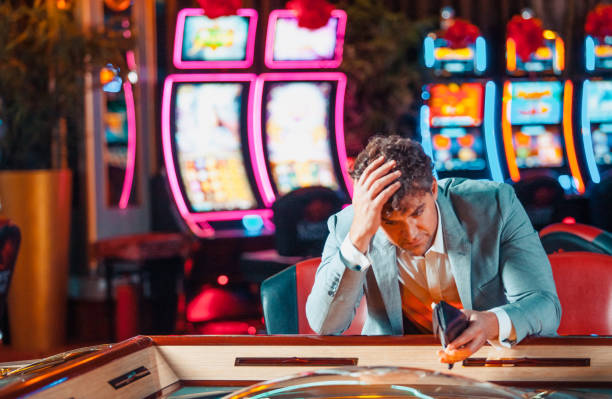
Conclusion: The Role of Online Platforms in Casino Culture
The rise of online casinos has significantly impacted traditional casino culture. Digital platforms have made gambling more accessible, allowing individuals to participate in games from the comfort of their homes. This shift has transformed how people engage with casinos, blending traditional and modern gaming experiences.
As online casinos continue to evolve, they contribute to the ongoing cultural significance of gambling in society. They offer new opportunities for social interaction and entertainment, maintaining the essence of casino culture while adapting to the digital age. The future of casinos, whether physical or online, remains an important aspect of contemporary life, reflecting the changing dynamics of entertainment and social engagement.